De las políticas a las personas: Cerrando la brecha en la apatridia en Tailandia
La trayectoria de Tailandia para abordar la apatridia se ha forjado a lo largo de décadas de reformas políticas, defensa de los derechos de la comunidad y un creciente reconocimiento nacional de que la identidad legal es fundamental para la dignidad humana, la inclusión y el desarrollo. A lo largo de los años, Tailandia ha dado pasos importantes para reducir la apatridia y resolver problemas de larga data relacionados con la situación irregular, especialmente entre las minorías étnicas, las comunidades fronterizas, los migrantes de larga duración y las personas cuyos nacimientos o registros familiares nunca fueron debidamente inscritos. Estos esfuerzos reflejan un compromiso nacional más amplio para garantizar que las personas con vínculos legítimos con el país ya no queden excluidas de los sistemas formales de protección y oportunidades.
Un hito político histórico
Un hito importante se alcanzó con la Resolución del Gabinete del 29 de octubre de 2024, cuyo objetivo era crear vías más claras y rápidas para obtener la nacionalidad o un estatus legal seguro para más de 480 000 personas. La resolución marcó un punto de inflexión histórico al prometer una reducción significativa de los plazos de tramitación, y se esperaba que los solicitantes que cumplieran los requisitos recibieran una decisión en tan solo cinco días.
Esta política fue vista por muchos como un paso adelante audaz no solo en la reforma administrativa, sino también en el reconocimiento de que la identidad legal es esencial para el acceso a la educación, la atención médica, el empleo legal, la libertad de movimiento y la participación en la sociedad.
Aprovechando este progreso, el 30 de junio de 2026 el Gabinete de Tailandia aprobó una propuesta de la Oficina del Consejo de Seguridad Nacional para extender el período de implementación hasta el 30 de junio de 2027. Esta decisión representa otro momento importante en el esfuerzo del país por abordar la apatridia de manera práctica e inclusiva. La extensión también reconoce una lección clave de la última década: las políticas transformadoras requieren más que compromisos firmes y plazos ambiciosos. Requieren sistemas que puedan llegar a las personas allí donde se encuentren.
Para muchas comunidades afectadas, el desafío no radica simplemente en si cumplen con los requisitos, sino en si pueden acceder a información fiable, preparar la documentación necesaria y desenvolverse con confianza en los trámites administrativos. Muchas personas apátridas e indocumentadas viven en zonas fronterizas remotas donde obtener información precisa puede ser difícil y donde el idioma, la distancia y la falta de confianza siguen siendo barreras importantes. Otras se enfrentan a obstáculos prácticos como la falta de documentos, inscripciones de nacimiento incompletas, registros familiares inconsistentes o un conocimiento limitado de los pasos necesarios para solicitar la regularización de su situación.
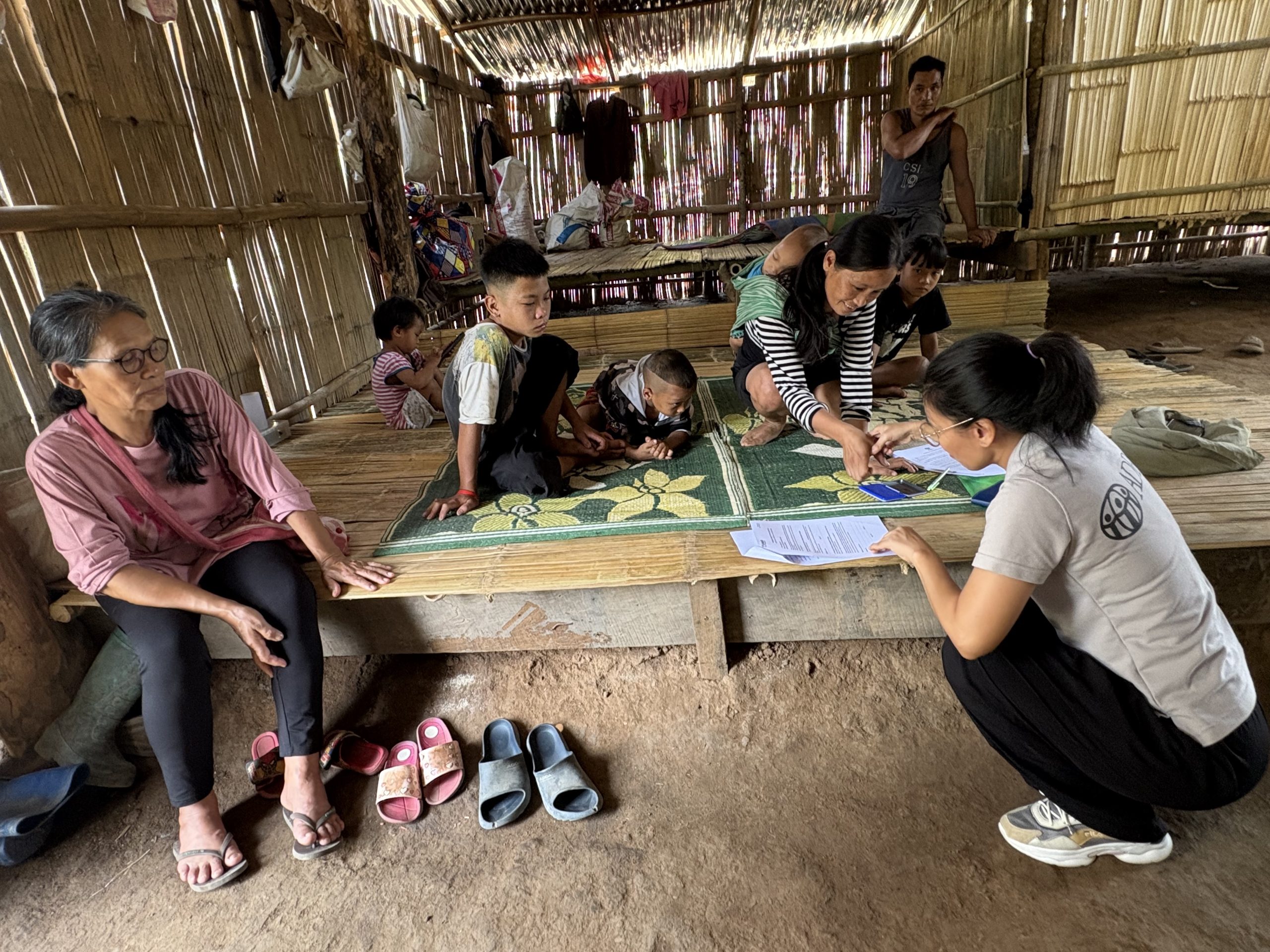
Estas barreras demuestran por qué la implementación debe centrarse en la comunidad, ser accesible y contar con el apoyo de actores de confianza que puedan ayudar a cerrar la brecha entre las políticas y la ciudadanía. Para las familias que han vivido durante años, e incluso generaciones, sin un reconocimiento legal seguro, interactuar con los sistemas formales puede resultar incierto e intimidante.
Por eso, la prórroga de un año es tan importante. Ofrece una oportunidad oportuna para abordar el retraso en las solicitudes y, al mismo tiempo, llegar a personas y comunidades que aún no han ingresado al sistema.
Un enfoque holístico
Para ayudar a cerrar la brecha entre las comunidades y los sistemas gubernamentales, organizaciones como la Agencia Adventista de Desarrollo y Socorro (ADRA), miembro de la Alianza Mundial para Acabar con la Apatridia, desempeñan un papel fundamental para garantizar que las políticas nacionales se traduzcan en cambios significativos a nivel comunitario. Mediante su Proyecto de Reducción de la Apatridia y Sensibilización Comunitaria, ADRA trabaja directamente con poblaciones vulnerables y de difícil acceso para mejorar la concientización, fortalecer el acceso a los servicios y brindar apoyo a las personas en sus trámites de estatus legal y nacionalidad. Esta labor es especialmente importante porque muchas de las personas más afectadas por la apatridia enfrentan barreras que no pueden resolverse únicamente con políticas públicas.
ADRA apoya a las comunidades compartiendo información clara sobre derechos, criterios de elegibilidad, documentos necesarios y vías de solicitud disponibles. Estos esfuerzos ayudan a las personas y familias a comprender mejor las oportunidades que ofrecen las políticas gubernamentales y los pasos necesarios para aprovecharlas. ADRA también desempeña un papel fundamental en la construcción de confianza entre las comunidades y los sistemas formales.
Mediante el trabajo con redes locales, líderes comunitarios y estructuras de confianza, ADRA ayuda a crear vías más seguras y accesibles para que las personas participen en los procesos de registro civil y determinación de su estatus legal.
En la práctica, ADRA ayuda a personas y familias a acceder y organizar la documentación necesaria, gestionar los trámites de registro civil y estatus legal, conectar con las autoridades locales y los sistemas de derivación, y superar las barreras lingüísticas y administrativas. Más allá del apoyo individual, ADRA contribuye al fortalecimiento de sistemas más amplios mediante la sensibilización comunitaria, la facilitación de la participación de las partes interesadas y el fomento de la colaboración entre comunidades, organizaciones de la sociedad civil, autoridades locales y agencias gubernamentales. De esta manera, ADRA ayuda a vincular las ambiciones de las políticas nacionales con la realidad cotidiana de las personas que viven en aldeas remotas, zonas fronterizas y comunidades marginadas.

Avanzando con propósito
Tailandia alberga a casi 600.000 personas registradas como apátridas, y muchas otras podrían no estar registradas oficialmente. Esto convierte a Tailandia en uno de los países con mayor población apátrida del mundo. Según el ACNUR, a diciembre de 2025 se habían resuelto más de 100.000 casos, la gran mayoría de los cuales obtuvieron la residencia permanente y más de 12.000 adquirieron la nacionalidad tailandesa. Desde entonces, el número de casos resueltos ha seguido aumentando.
El progreso de Tailandia en la lucha contra la apatridia demuestra que la inclusión y la buena gobernanza pueden avanzar de la mano. El papel fundamental del Departamento de Administración Provincial (DOPA) en la tramitación de casos, la mejora de las bases de datos del registro civil y el fortalecimiento de las medidas de control es esencial para garantizar que el sistema siga siendo creíble, eficiente y seguro. La prórroga de un año ofrece una importante oportunidad, pero el progreso dependerá de la eficacia con que se aproveche el tiempo restante.
La regularización del estatus legal se considera, con razón, una prioridad humanitaria. También es una prioridad para el desarrollo nacional. Cuando las personas obtienen reconocimiento legal, tienen mayor acceso a la educación, la atención médica, el empleo, la libertad de circulación y los servicios públicos. Además, pueden contribuir de manera más plena a sus comunidades y a la economía nacional.
Los beneficios van más allá de las personas y las familias. Las comunidades se vuelven más estables, los sistemas laborales más transparentes, mejora la inclusión social y la planificación nacional es más precisa. El reconocimiento legal transforma vidas, pero también fortalece los sistemas que sustentan una sociedad más inclusiva y segura.
Tailandia ha abierto la puerta por un año más. La tarea ahora es asegurar que esta oportunidad llegue a quienes más la necesitan. ADRA está lista para apoyar este esfuerzo trabajando con comunidades, autoridades y socios para promover el reconocimiento legal, la dignidad y la inclusión en Tailandia y más allá.
Autor: Elvis Walemba, Director de Programa, ADRA Tailandia

7 October 2026

Why We’re Launching the Month of Action Against Statelessness
The Stateless Month of Action is an open invitation to come stand with us and help us build a world where everyone’s right to a nationality is recognized.
Leer más31 de agosto de 2026

Niños expósitos en riesgo de apátrida en Filipinas: avances y desafíos
Los cambios legislativos de los últimos años han mejorado significativamente los derechos de los niños abandonados o desamparados en Filipinas para obtener la ciudadanía, pero aún existen problemas con su implementación sobre el terreno.
Leer más4 de junio de 2026

Reducción de la apatridia en Kazajstán: esfuerzos conjuntos del gobierno y la sociedad civil.
Como parte de los esfuerzos para reducir el número de apátridas en Kazajstán, la Oficina Internacional de Kazajstán para los Derechos Humanos y el Estado de Derecho (KIBHR), en colaboración con el Ministerio del Interior, llevó a cabo una campaña conjunta para identificar y documentar a las personas apátridas a finales de 2025. Durante dicha campaña, abogados, junto con funcionarios del servicio de migración, identificaron a 380 personas apátridas. En el mismo período, 153 personas recibieron apoyo de los abogados de la KIBHR para confirmar u obtener la ciudadanía.
Leer más