Réunion inaugurale du comité consultatif

Réunion inaugurale du comité consultatif
La dernière semaine de janvier a marqué une étape importante pour l'Alliance mondiale pour mettre fin à l'apatridie, puisqu'elle a tenu sa première réunion du Comité consultatif, rassemblant un groupe distingué d'États membres, d'organisations de la société civile et d'organisations dirigées par des apatrides, d'organismes régionaux et d'agences des Nations Unies.
Le Comité consultatif joue un rôle essentiel dans l'élaboration de la stratégie, des priorités et du plan de travail de l'Alliance, en fournissant des orientations et des conseils stratégiques pour faire progresser sa mission. En assurant une représentation aux niveaux national, régional et mondial, le Comité contribue à dynamiser les efforts collectifs visant à lutter contre l'apatridie dans le monde.
La réunion inaugurale, qui s'est tenue les 28 et 29 janvier à Bogis-Bossey, en Suisse, a porté sur la mise en œuvre opérationnelle de l'Alliance et la progression des principaux axes de travail. Les discussions ont mis en lumière la nécessité de renforcer l'engagement des membres, d'intensifier les efforts de communication et de garantir la participation effective des personnes apatrides et des organisations dirigées par des personnes apatrides. Les participants ont également souligné l'importance de consolider l'engagement régional et d'élargir le Programme des chercheurs de solutions ainsi que le nombre d'États membres afin de susciter un changement significatif.
La réunion a permis de préciser les initiatives clés, notamment le Programme de recherche de solutions, les laboratoires de réseaux régionaux, les groupes de travail thématiques et la plateforme en ligne. L'importance de la collaboration et de la co-création a été un thème récurrent, les participants réaffirmant que ces principes doivent demeurer au cœur des initiatives futures de l'Alliance.
L’enthousiasme et l’engagement dont a fait preuve le Comité consultatif ont réaffirmé la mission de l’Alliance mondiale : impulser un changement significatif. Forts de ces échanges, nous avons hâte de concrétiser notre plan de travail dans les mois à venir.

22 October 2026
Standing To End Statelessness: A Conversation with ICDH in Haiti on the Frontlines of Human Rights
As the Global Alliance to End Statelessness marks its second anniversary and reaches a powerful network of 200 Membres strong, we are reminded that tangible progress on addressing and preventing statelessness is possible through our collective action, in particular supporting the most vulnerable and at risk of being left behind. To explore our shared vision and what it truly means to fight for the “right to have rights,” we sat down in a short conversation with Mr. Urbens Wilbert DIEUVEUIL, Director of Initiative Citoyenne pour les Droits de l’Homme, ICDH that proudly stepped forward as the 200th member of the Global Alliance.
En savoir plus21 October 2026
African Human Rights Day: Call for Action on the Right to a Nationality and the Eradication of Statelessness in Africa
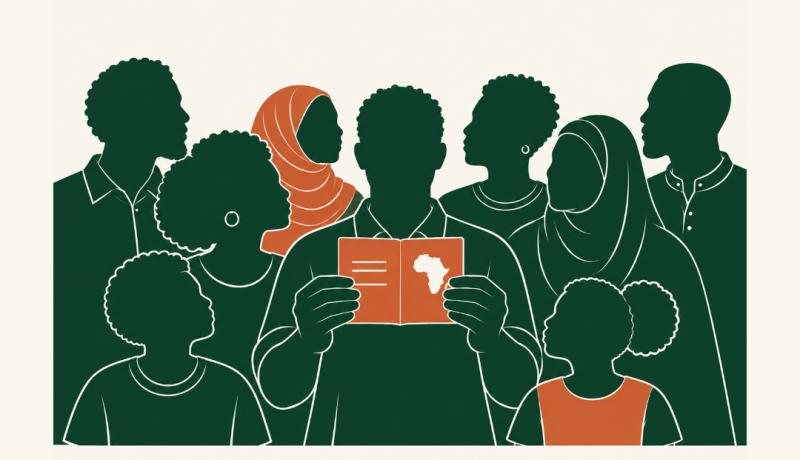
On African Human Rights Day, as we mark 40 years since the entry into force of the African Charter on Human and Peoples’ Rights, we are calling for renewed action to protect the right to a nationality and end statelessness across Africa.
A joint statement led by the Pan African Nationality Network (PANN), the South African Nationality Network (SANN), the Global Alliance to End Statelessness, Lawyers for Human Rights and other partner organizations highlights that nationality is fundamental to human dignity, equality, belonging and full participation in society.
10 September 2026
65th Anniversary of the 1961 Convention Global Event Highlights and Key Action to End Statelessness
On 2 September 2026, the Global Alliance to End Statelessness convened a high-level online event to mark the 65th anniversary of the 1961 Convention on the Reduction of Statelessness under the theme of Preventing and Resolving Statelessness in Practice.The event brought together governments, UN agencies, regional organizations, civil society, and stateless-led groups to exchange experiences and highlight practical solutions to ensure that no child is born without a nationality.
En savoir plus