One year of collective action to end statelessness
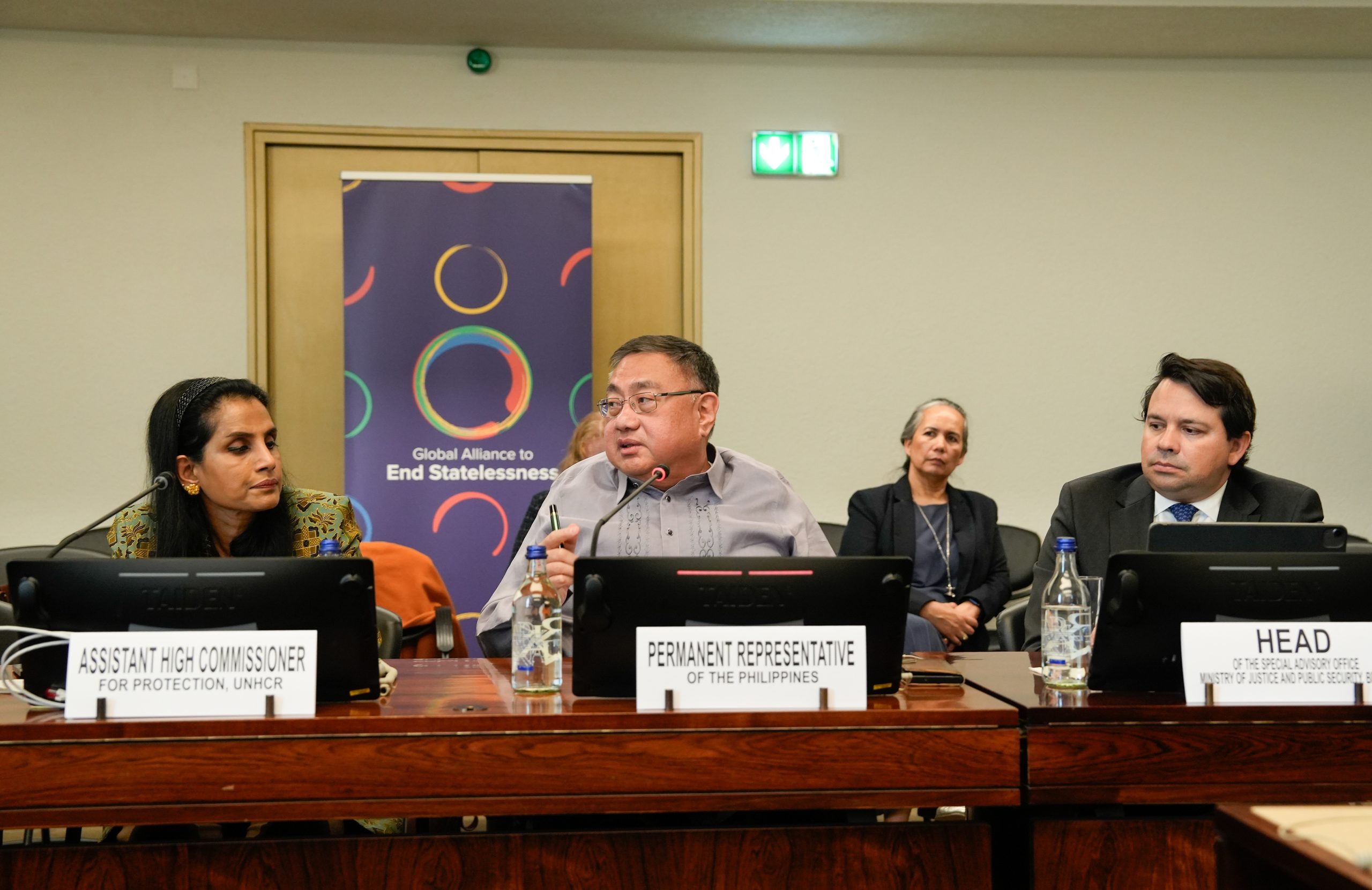
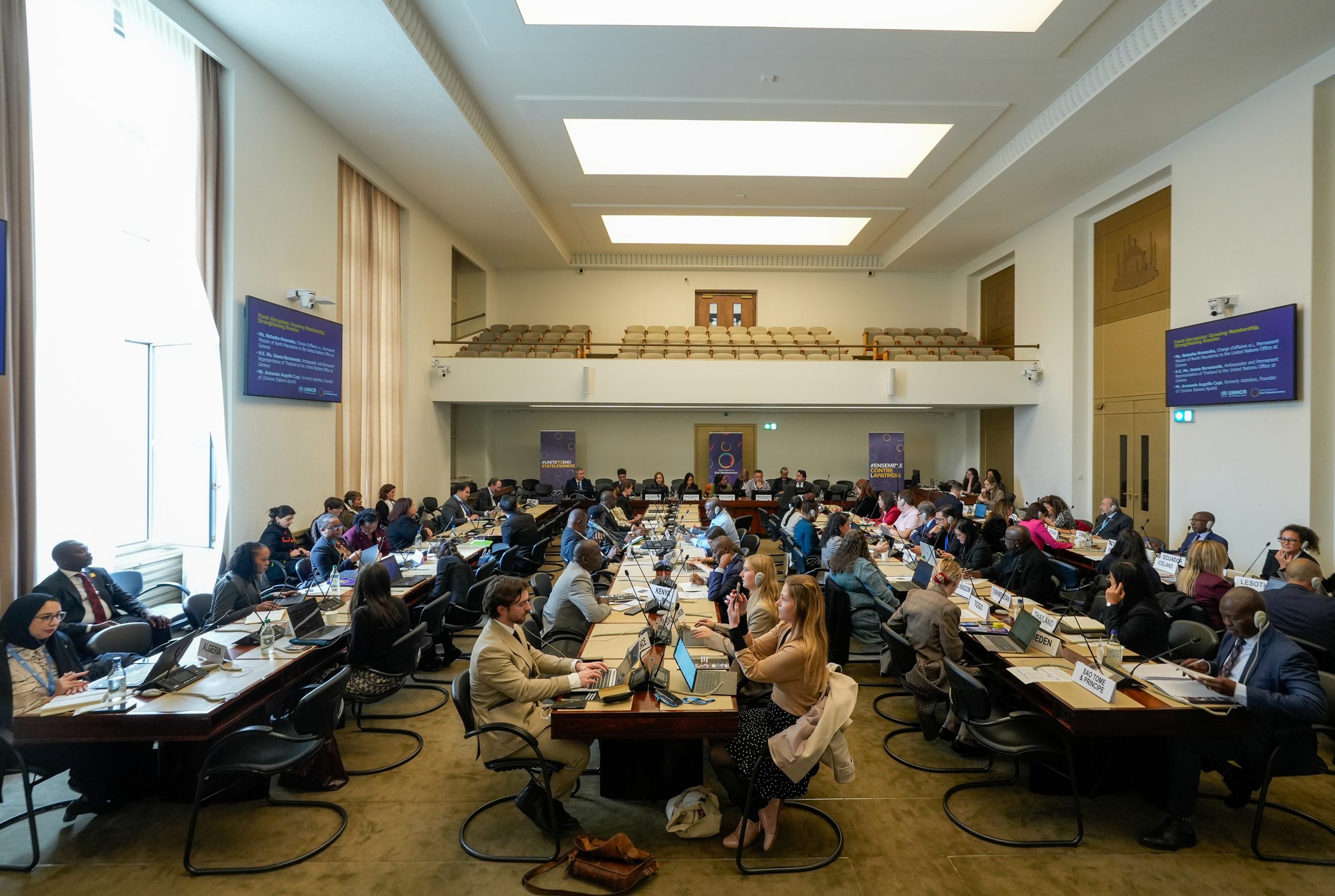
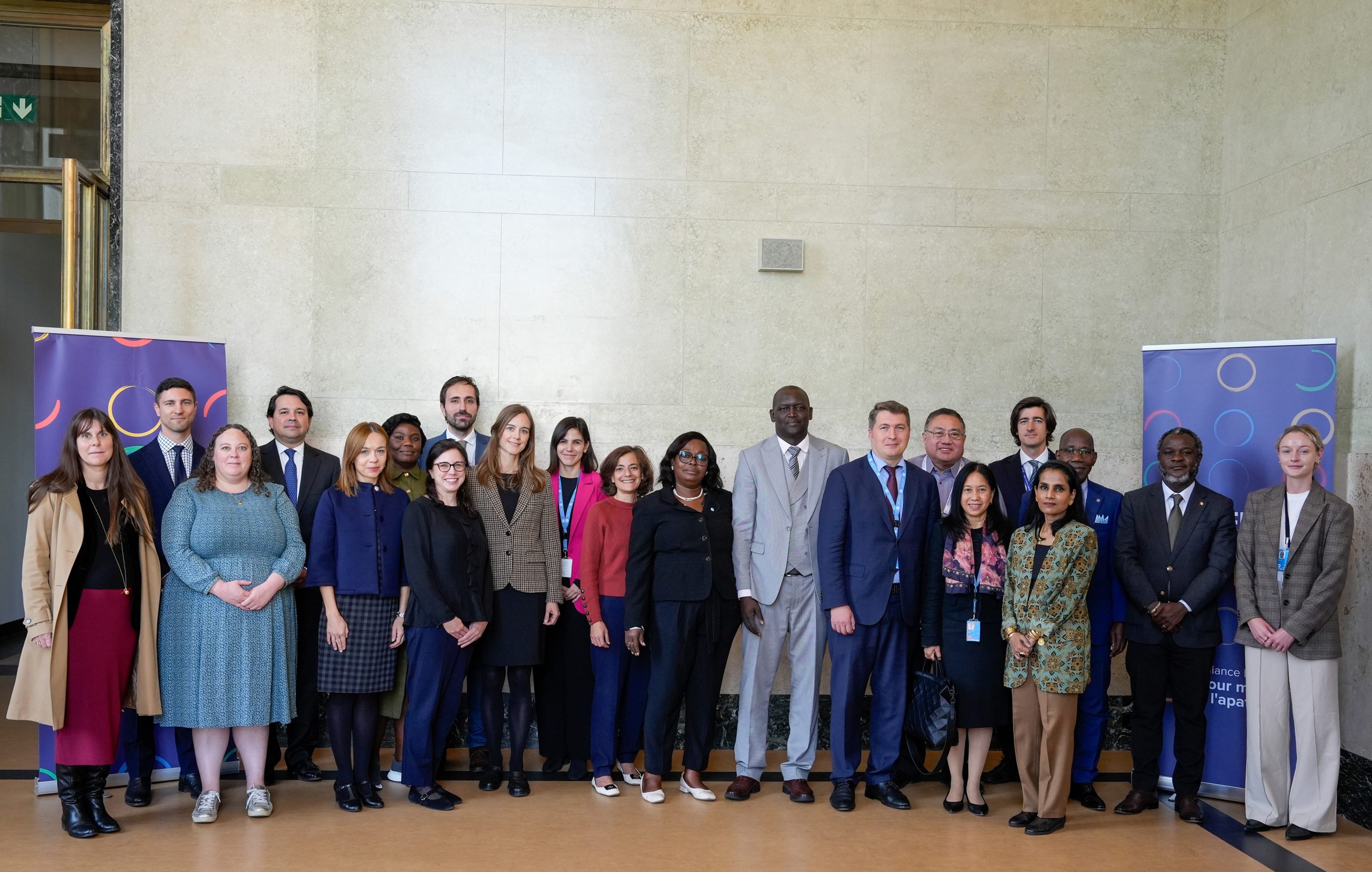
On 8 October 2025, at the Palais des Nations in Geneva, the Global Alliance to End Statelessness mark
ed its first anniversary during a side event of UNHCR’s Executive Committee meeting.
Launched just one year ago, the Alliance has grown into a vibrant multi-stakeholder platform of 150 + members – including 25 States, 11 intergovernmental organizations, and a broad network of civil society and stateless-led organizations – all working together to ensure that no one is left without a nationality.
The event “Growing membership, strengthening resolve: One year of the Global Alliance to End Statelessness,” featured a powerful discussion moderated by Ruvendrini Menikdiwela, UNHCR’s Assistant High Commissioner for Protection, focused on the good practices and the commitment of Alliance members.
Thailand shared how its 2024 Cabinet resolution is opening a pathway to permanent residency and nationality for nearly 500,000 stateless people.
North Macedonia reflected on becoming the first country in the Western Balkans to resolve all known cases of statelessness linked to the dissolution of the former Yugoslavia.
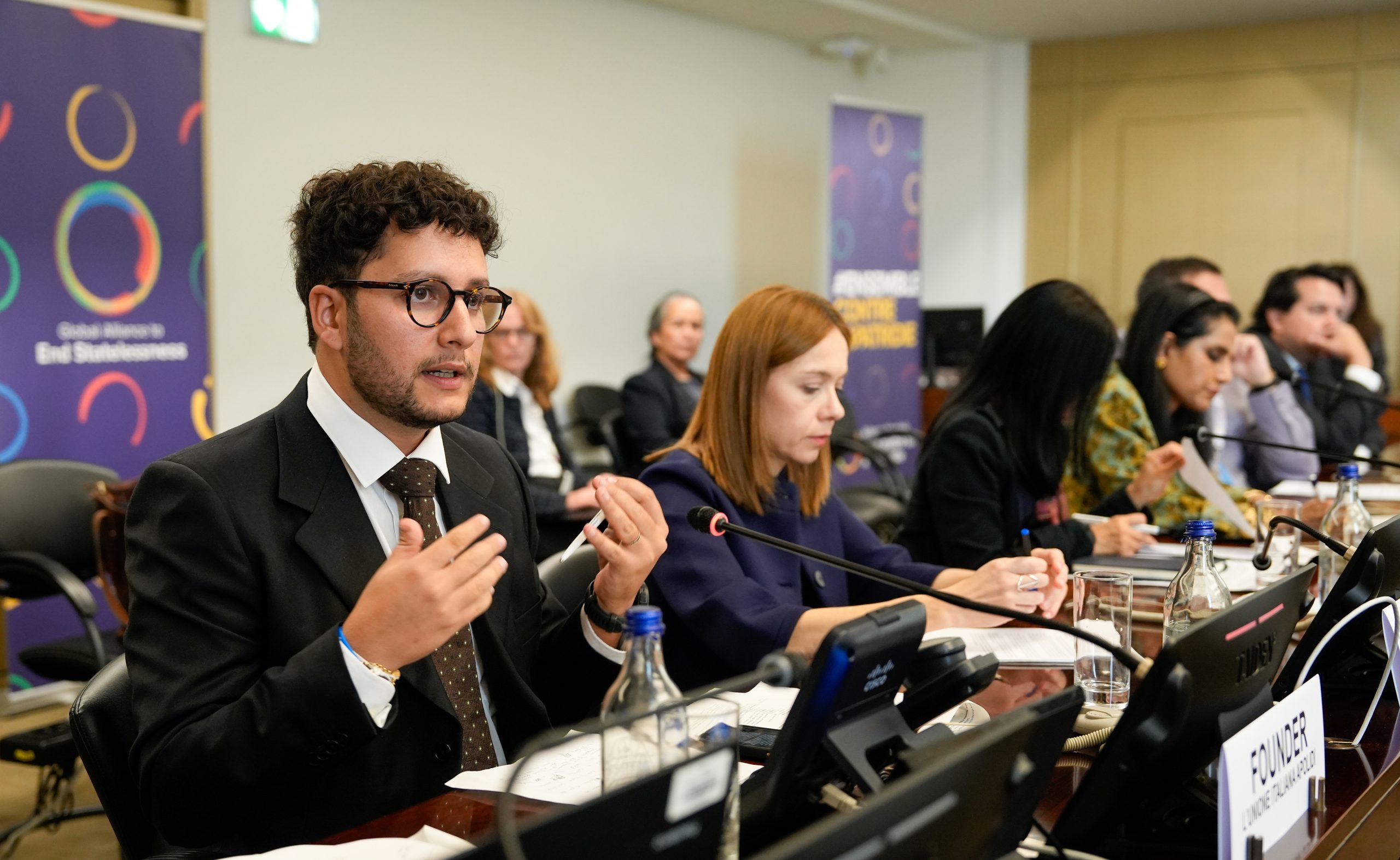
Armando Augello Cupi, founder of Italy’s first stateless-led organization Unione Italiana Apolidi, shared how lived experience drives change.
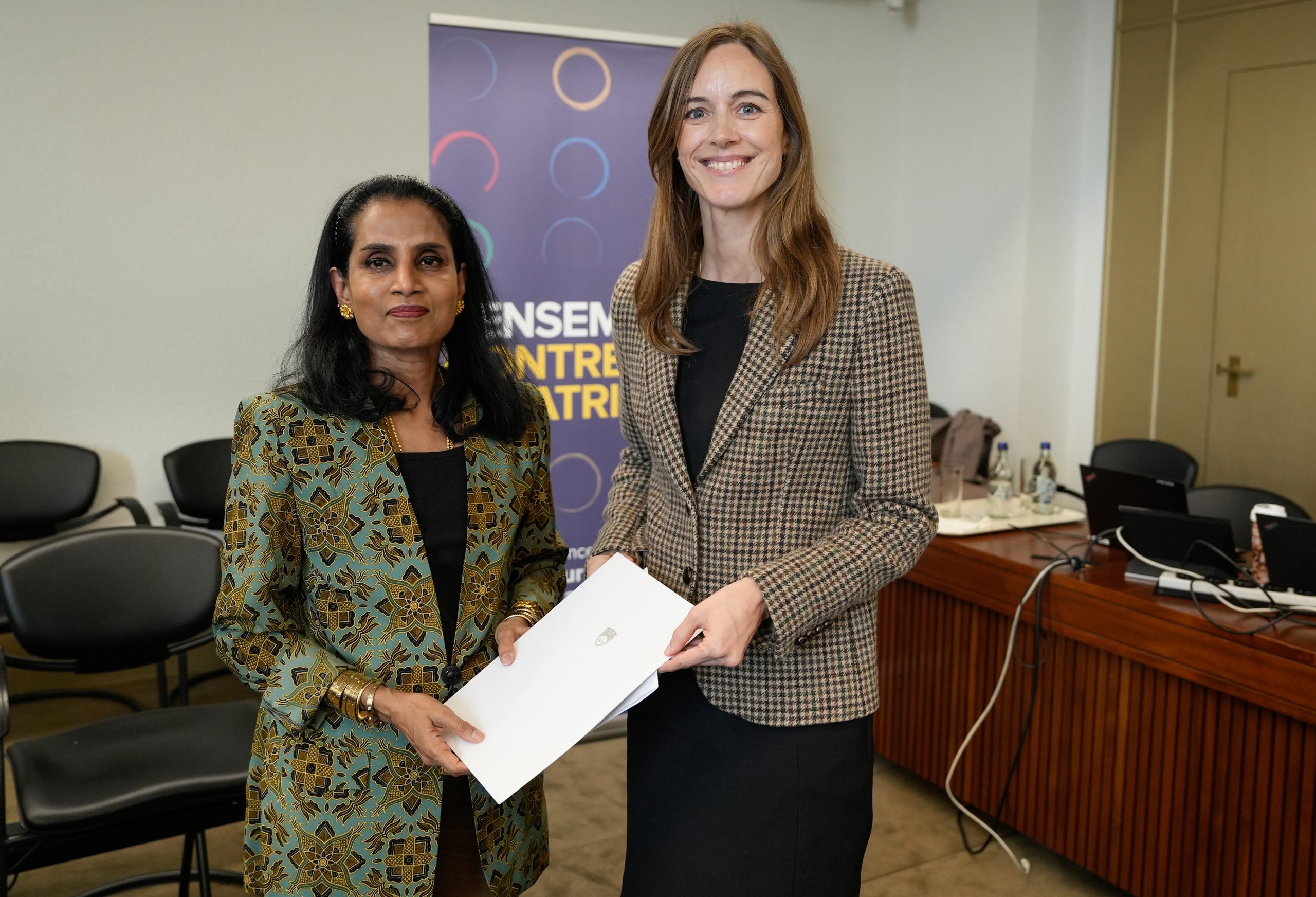
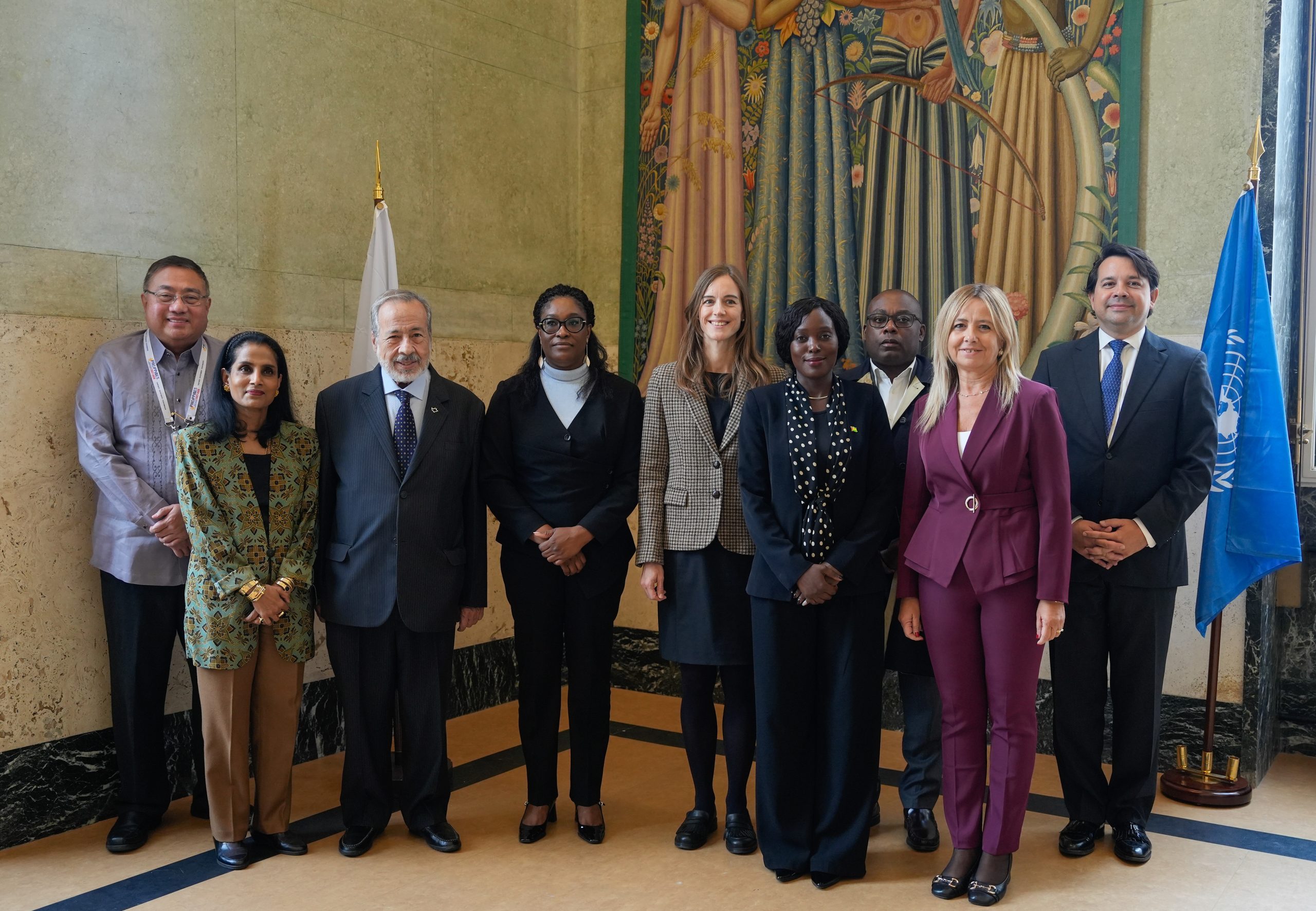
A special highlight of the event was a ceremony which welcomed Slovenia as the latest country to join the Alliance. Together with the recently joined Albania, Côte d’Ivoire, and Italy, this brings the Alliance to more than 150 committed members.
The Philippines, as the co-chair of the Alliance Advisory Committee, underlined that no State can end statelessness alone and stressed the power of multistakeholder collaboration and action.
Brazil reaffirmed its belief in multilateralism, noting that its engagement and role on the Alliance’s Advisory Committee reflects this commitment.
The event also recognized the eleven States – Angola, Iceland, Togo, Congo, Sao Tome and Principe, South Sudan, Columbia, Malta, North Macedonia, Philippines, and Slovenia – that have recently acceded to the 1954 Convention relating to the Status of Stateless Persons and/or the 1961 Convention on the Reduction of Statelessness. With these new accessions, there are now 99 States party to the 1954 Convention and 82 to the 1961 Convention.
In just one year, the Alliance has shown that ending statelessness is possible when political will, lived experience, and international cooperation come together.
We look forward to another year of partnership, collective action, and concrete progress.
10 September 2026
65th Anniversary of the 1961 Convention Global Event Highlights and Key Action to End Statelessness
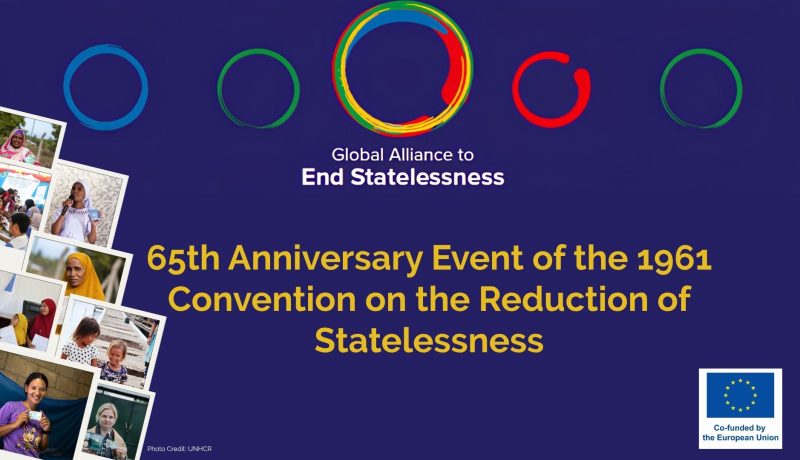
On 2 September 2026, the Global Alliance to End Statelessness convened a high-level online event to mark the 65th anniversary of the 1961 Convention on the Reduction of Statelessness under the theme of Preventing and Resolving Statelessness in Practice.The event brought together governments, UN agencies, regional organizations, civil society, and stateless-led groups to exchange experiences and highlight practical solutions to ensure that no child is born without a nationality.
Read more19 August 2026
Thailand Strengthens its Commitment to Ending Statelessness Through a New National Action Plan
Thailand has taken a major step forward in addressing statelessness by approving its Action Plan for Resolving Statelessness (2025–2027). Approved in March 2026, the roadmap fulfills pledges made at the 2023 Global Refugee Forum and builds on the landmark Cabinet Resolution of October 29, 2024.
As host to more than 600,000 registered stateless persons, Thailand represents one of the largest stateless populations in the world. The two-year plan features collaboration within the relevant Governmental entities for resolving existing cases, preventing new ones, safeguarding fundamental rights, and modernizing civil registration systems.
3 August 2026
The Latin American and Caribbean 2nd Civil Registration Campaign
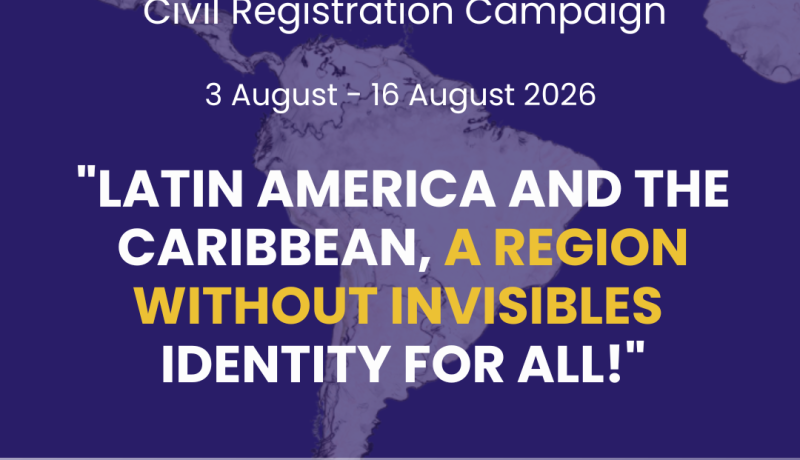
The Latin American and Caribbean Council of Civil Registry, Identity and Vital Statistics (CLARCIEV), the community that unites the civil registries across the region, is launching the Second Latin American and Caribbean Civil Registry Campaign from August 3 to August 16, 2026. This intensive 15-day initiative aims to eliminate under-registration and guarantee the right to identity across the region.
Read more