Ensuring Vocational Inclusion for Stateless Individuals
Stateless individuals face daily obstacles in accessing basic services – whether opening a bank account, booking travel, or securing employment. One often overlooked but fundamental barrier is the absence of a “stateless” or “undefined” nationality option in digital forms and application systems. Without it, individuals are frequently forced to enter inaccurate information or abandon applications altogether. Employers, including legal and HR teams, are often unsure how to process applications from individuals without nationality, even when they have the legal right to work. This lack of clarity and inclusion in administrative systems contributes – often unintentionally – to vocational exclusion.
An encouraging step forward came in August 2024, when UNHCR became the first UN agency to update its recruitment platform to accommodate stateless applicants. This progress was the direct result of sustained engagement by the stateless-led organization Apatride Network, whose advocacy helped identify and address technical barriers in the application process, that previously prevented stateless people from applying. In collaboration with its legal and human resources teams, UNHCR resolved the dropdown menu issue and clarified internal procedures – creating a more inclusive and accessible path for stateless candidates.
This development represents more than a technical fix—it is a recognition of stateless individuals’ existence as well as valid applicants and future colleagues within the UN system. It illustrates how institutional systems can evolve through open dialogue and cooperation with affected communities. This example reflects how constructive partnerships can close systemic gaps and improve practices in line with shared commitments to equity and inclusion.
Importantly, this change also provides a replicable model for other UN agencies and international organizations, many of which encounter statelessness in their work. Greater participation by people with lived experience of statelessness helps design fairer systems and builds broader awareness of an often-overlooked human rights issue. Moreover, equitable access to opportunities promotes dignity and inclusion and contributes to long-term efforts to resolve statelessness through recognition, financial independence, and representation in public and professional life.
The action taken by UNHCR could serve as a strong catalyst, creating momentum for systemic change beyond the UN system. Administrative barriers like these are often present in various areas beyond just employment, including access to the financial sector, freedom of movement, and digital identification – domains where stateless individuals frequently experience exclusion. Apatride Network and its partners have already identified these challenges and are actively working across these sectors to promote structural inclusion. By leading by example, the UN system can help bridge other barriers and indirectly support the work of stateless-led organizations in advancing meaningful inclusion and equal rights for stateless individuals.
However, if this progress is to have a lasting impact beyond one institution or moment, it must be supported by ongoing effort and broader commitment. To ensure these changes are maintained and promote further advancement, we must:
• Raise awareness among stateless individuals about their ability to apply for UNHCR positions, creating meaningful opportunities for inclusion and empowerment.
• Highlight and promote UNHCR’s development and actively encourage all UN agencies and institutions to update their systems similarly.
• Strengthen collaboration between UN bodies and stateless-led organizations to maintain momentum and support ongoing progress.
• Incorporate the voices, experiences, and perspectives of stateless individuals into policy and practice. This will ensure future reforms are informed, inclusive, and sustainable, enhancing the UN system’s understanding and decision-making.
Jessica Schmieder
Project Manager, Apatride Network
4 June 2026
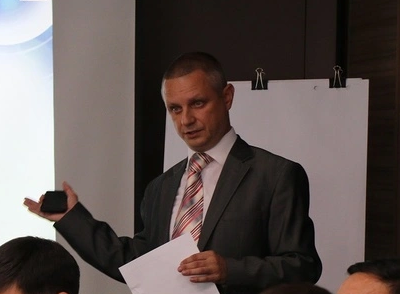
Reducing statelessness in Kazakhstan: joint efforts of the government and civil society
As part of efforts to reduce the number of stateless persons in Kazakhstan, the Kazakhstan International Bureau for Human Rights and the Rule of Law (KIBHR), in collaboration with the Ministry of Internal Affairs, conducted a joint campaign to identify and document stateless persons in late 2025. During the 2025 campaign, lawyers, together with migration service officials, identified 380 stateless persons. In the same period, 153 people were supported by KIBHR lawyers to confirm or acquire citizenship.
Read more21 April 2026
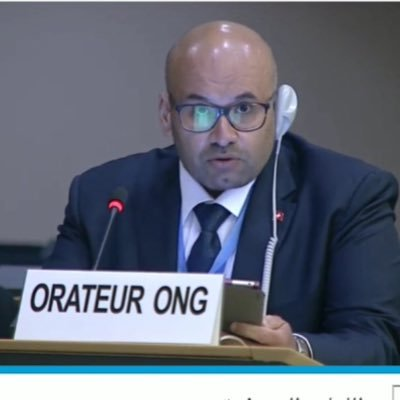
Strategic Advocacy for the Right to Nationality through the UN Human Rights Council’s Universal Periodic Review (UPR)
At the International Center for Supporting Rights and Freedoms (ICSRF), we consider the right to nationality one of the most fundamental human rights, no less important than the right to life. Based on this principle, and since joining the Global Alliance to End Statelessness, ICSRF has worked to ensure that statelessness risks are consistently taken into account within international human rights mechanisms, particularly the Universal Periodic Review (UPR).
Read more9 April 2026
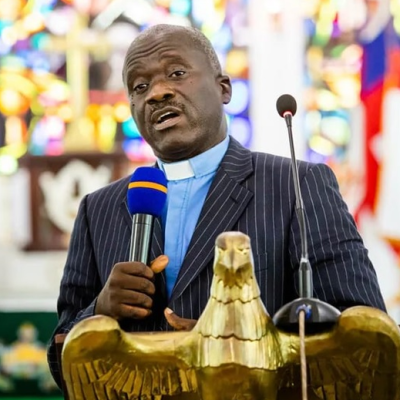
Churches Have a Responsibility to Act Against Statelessness
Churches and faith-based organizations have a moral responsibility and an important role to play in preventing and reducing statelessness. Drawing on their moral voice, community presence, and long-standing commitment to social justice, churches are well placed to support practical actions that protect vulnerable people and help ensure every person has a nationality.
In Liberia, Church Aid, Inc., together with its partners, has demonstrated this potential in practice. Through community-based initiatives to support birth registration, more than 20,000 children were able to obtain birth certificates, reducing their risk of statelessness and exclusion.
For many churches, engagement on statelessness is grounded in scripture and faith. The Bible reminds us not to oppress the foreigner, because we ourselves know what it means to be vulnerable. It calls believers to show hospitality to strangers and to stand up for those who cannot defend themselves. When people are hurting, the church has a responsibility to bring relief. A Christianity that ignores injustice and suffering does not reflect the character or mission of Christ.
Stateless persons are no exception.
Read more