Statelessness in the Spotlight: Key GRF Progress Review Highlights
From 15 to 17 December 2025, Geneva hosted the Global Refugee Forum Progress Review – an important global convening which sought to maintain momentum and assess progress against the implementation of the pledges made at the Global Refugee Forum (GRF) towards the advancement of the Global Compact on Refugees (GCR). Governments, regional organizations, UN partners, civil society, and people with lived experience came together to spotlight, inter alia, progress and address gaps in nationality law reform, birth registration, legal identity, and documentation – key to preventing and reducing statelessness. The Global Alliance to End Statelessness featured prominently, showcasing growing membership and collective action. In this article, we explore the highlights and commitments shaping the path toward ending statelessness.
Linked Event on “Solutions to Statelessness: Multistakeholder Action”
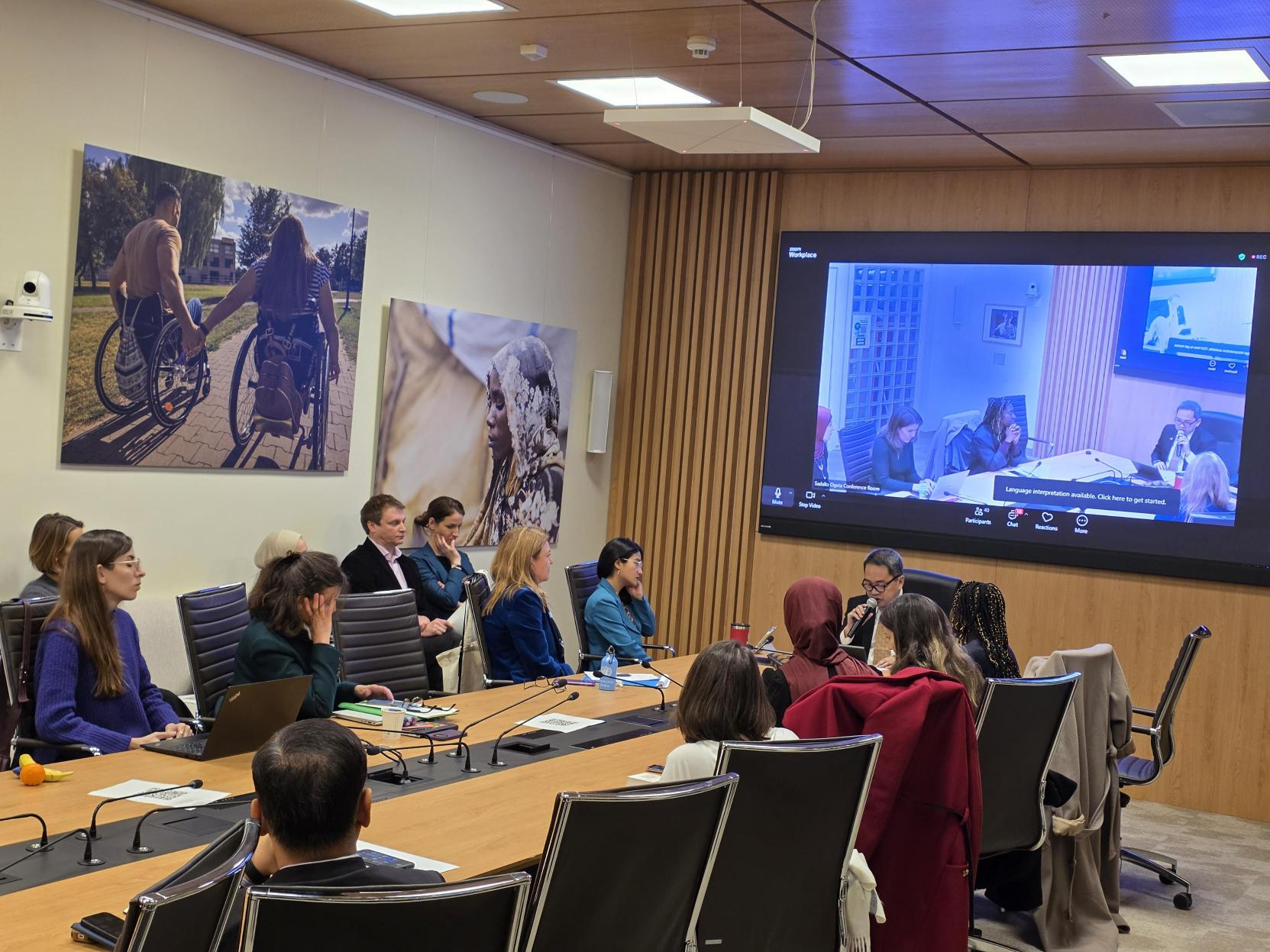
On 16 December, the Alliance co-sponsored the GRF PR linked event titled “Solutions to Statelessness: Multistakeholder Action”, organized at the UNHCR Headquarters. The event brought together stateless-led organizations and activists (South Africa, Germany, Syria, USA, Nepal), UN agencies (UN Women, UNHCR), and government officials (United Kingdom, Philippines) to showcase effective reforms and strategies and accelerate the implementation of the Multistakeholder Pledge on Ending Statelessness and progress towards equal nationality rights for all. The discussion spotlighted recent reforms, the power of inclusive partnerships, and urgent calls for concrete pledges and swift implementation to achieve equal nationality rights and advance SDG and GCR goals. Mr. Melvin Suarez, representing the Philippines Government – a Solution Seekers Country within the Global Alliance – highlighted national policies and legal reforms to address statelessness and reaffirmed the country’s commitment to champion equal nationality rights for all.
Speakers’ Corner
During the GRF, a dedicated space gave people with lived experience of forcibly displacement and statelessness a platform to share their journeys, challenges, and solutions. Statelessness was spotlighted by powerful statements from Nosizi Dube (Kenya’s stateless Shona community, Shamiri Sisterhood Initiative) and Nikolai Levasov (co-founder of United Stateless in the USA, originally from Estonia).

Side Event on “Legal Identity for all, Addressing Statelessness to Achieve SDGs”
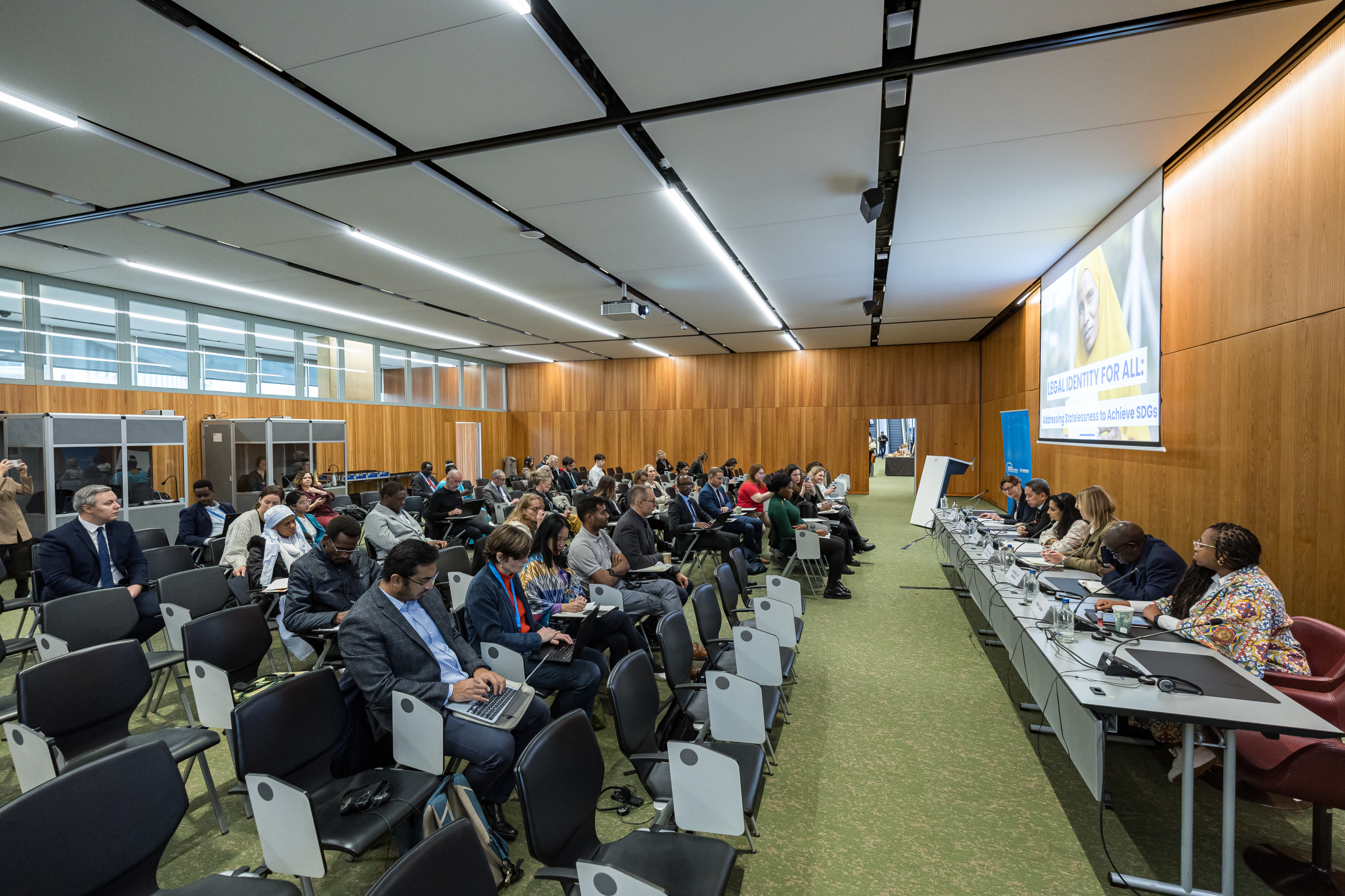
On 17 December, a side event organized by UNHCR explored the critical link between legal identity and nationality, underscoring that ending statelessness is essential to achieving SDG 16.9. The discussion showcased progress on pledges, innovative practices for inclusive ID systems, and the power of multistakeholder collaboration through the Global Alliance. Highlights included UNICEF’s call to prevent childhood statelessness through universal birth registration, the Philippines’ experience translating global commitments into national laws, Rwanda’s reforms enabling stateless people to acquire nationality, and Southern Africa’s push for inclusive digital ID systems. The session closed with dynamic exchanges from the EU, civil society, and other key stakeholders, reinforcing that legal identity is not just an administrative tool – it’s a protection mechanism and a gateway to rights.
Global Alliance ceremony welcoming new members and renewed commitments
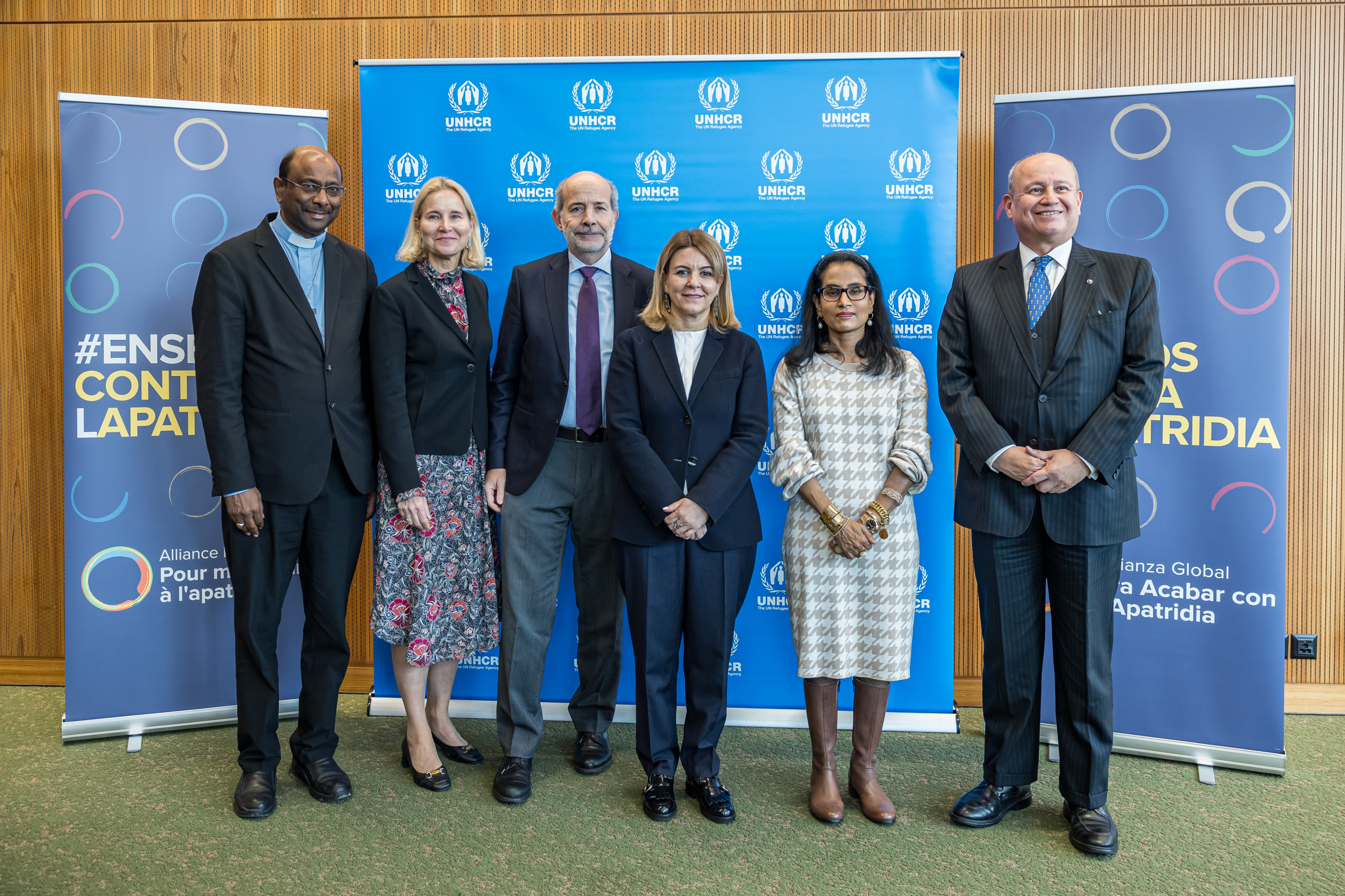
Following the GRF PR side event, the Global Alliance to End Statelessness held a special ceremony welcoming four new members – the Governments of Peru, Spain, Uruguay, and UNFPA – and celebrating renewed commitments from the World Council of Churches, all in the presence of UNHCR’s Assistant High Commissioner for Protection. Peru reaffirmed its pledge to the right to nationality and advanced statelessness determination procedures aligned with the Chile Plan of Action. Spain called for strong institutions and solidarity to ensure no one is left behind, while Uruguay committed to durable solutions as a party to the 1954 and 1961 Conventions. UNFPA joined with a bold agenda to count the invisible, eliminate statelessness at birth, and champion gender equality. The World Council of Churches reinforced faith-based solidarity through a new multi-religious fund to protect stateless persons and drive collective action.
In addition to the side events, new pledges strengthened global momentum. Sweden committed to include displaced and stateless populations in national statistics, Switzerland allocated CHF 500,000 to bolster digital protection against misinformation and hate speech, and Peru pledged to standardize travel documents for refugees and stateless persons. These actions reaffirm that ending statelessness remains a global priority, advancing the right to nationality through coordinated, multistakeholder engagement.
7 May 2026
Thinking of a Gift for Mother’s Day? Support Equal Nationality Rights for Mothers
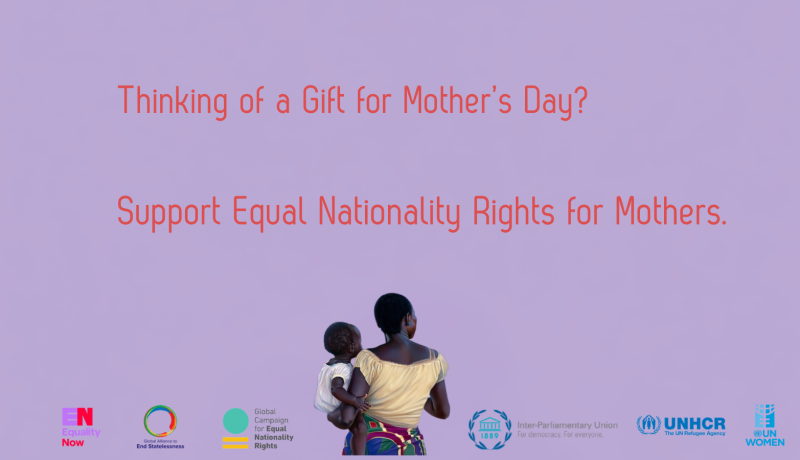
This Mother’s Day, countries across Africa will celebrate mothers and the importance of family life. Yet as we honor motherhood and the important role of families, seven countries in Africa continue to be among the 24 globally with nationality laws that deny women the right to confer nationality on their children on an equal basis with men. Additionally, nationality laws in approximately 40% of African countries do not provide women with the same rights as men to confer nationality on a noncitizen spouse.
Read more23 March 2026
Strengthening statelessness data: International Recommendations on Statelessness Statistics (IROSS)
Reliable data on statelessness remains a major gap. In many contexts, stateless populations remain invisible in official statistics. The International Recommendations on Statelessness Statistics (IROSS), represent an important step forward. Find out more by reading this article
Read more11 March 2026
Human Rights Council side event highlights solutions to childhood statelessness
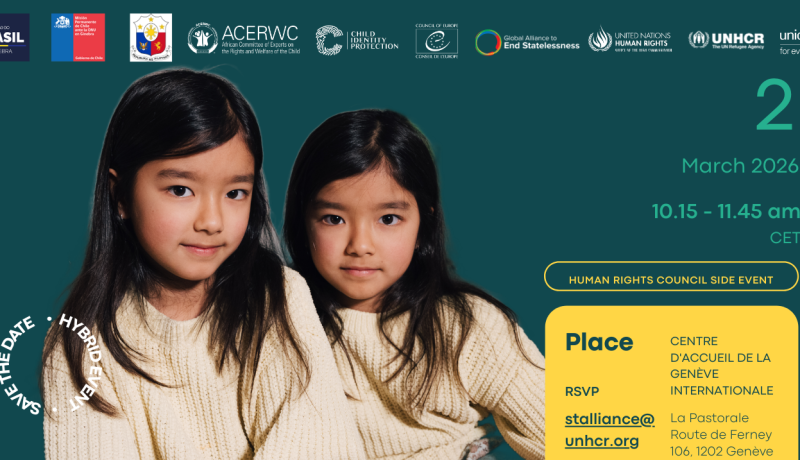
On 2 March 2026, the Global Alliance to End Statelessness and partners convened a side event during the 61st session of the UN Human Rights Council titled “Every Child’s Right to a Nationality and Identity: Preventing Childhood Statelessness.” The event brought together governments, UN agencies, regional organizations, civil society and stateless-led groups to exchange experiences and highlight practical solutions to ensure that no child is born without a nationality.
Read more