Latin American and Caribbean Civil Registration Week: An Initiative Ensuring Identity for All
The Spanish version is available below/ La versión en español está disponible más abajo, después de la versión en inglés.
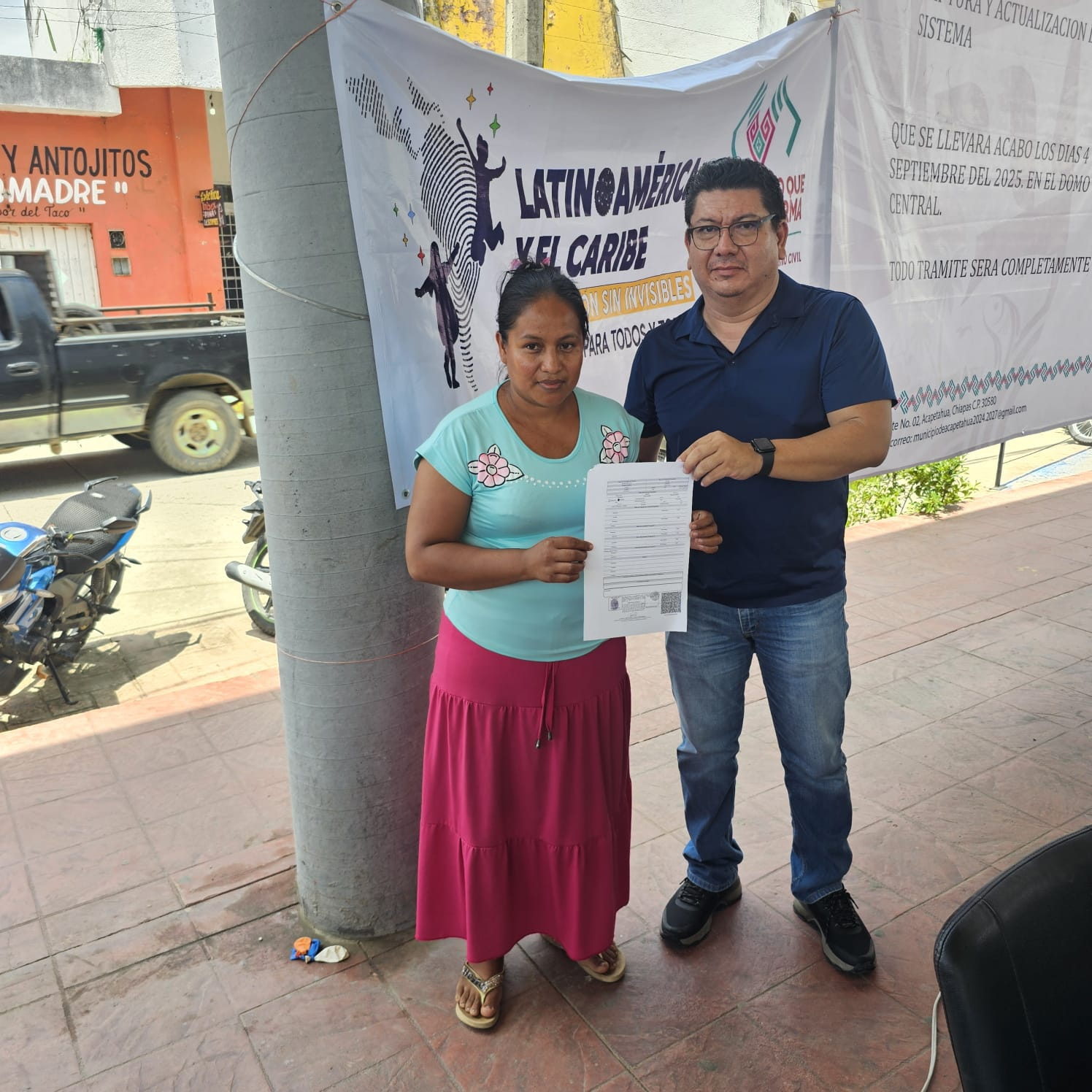
The Latin American and Caribbean Council for Civil Registration, Identity, and Vital Statistics (CLARCIEV) is the organization behind the campaign “Latin American and Caribbean Civil Registration Week,” held from September 1 to 16, 2025, and which sought to safeguard the fundamental right to identity.
Under the slogan “Latin America and the Caribbean, a region without invisible people: identity for all!”, CLARCIEV intensified its efforts to register births, covering both children and adults who still lacked a birth certificate. The absence of a birth certificate marks the beginning of a life of exclusion, denying access to basic rights and affecting overall development, especially in childhood. Civil registry institutions in the region stepped up their field services, focusing on rural, remote, or hard-to-reach areas, where the highest rates of under-registration of births are concentrated.
The decision to carry out this campaign was taken by the CLARCIEV Executive Committee during its meeting in Lima, Peru, on June 12 and 13, 2025.
Among other objectives, this initiative seeks to fulfill one of the commitments made by CLARCIEV as part of the 2023 Global Refugee Forum and to the Global Alliance to End Statelessness, which was launched by UNHCR last year.
Under-registration of births is a central issue for civil registries, and our commitment to reducing these figures has always been unwavering, so much so that CLARCIEV’s first commitment to the Global Alliance is to reduce under-registration.
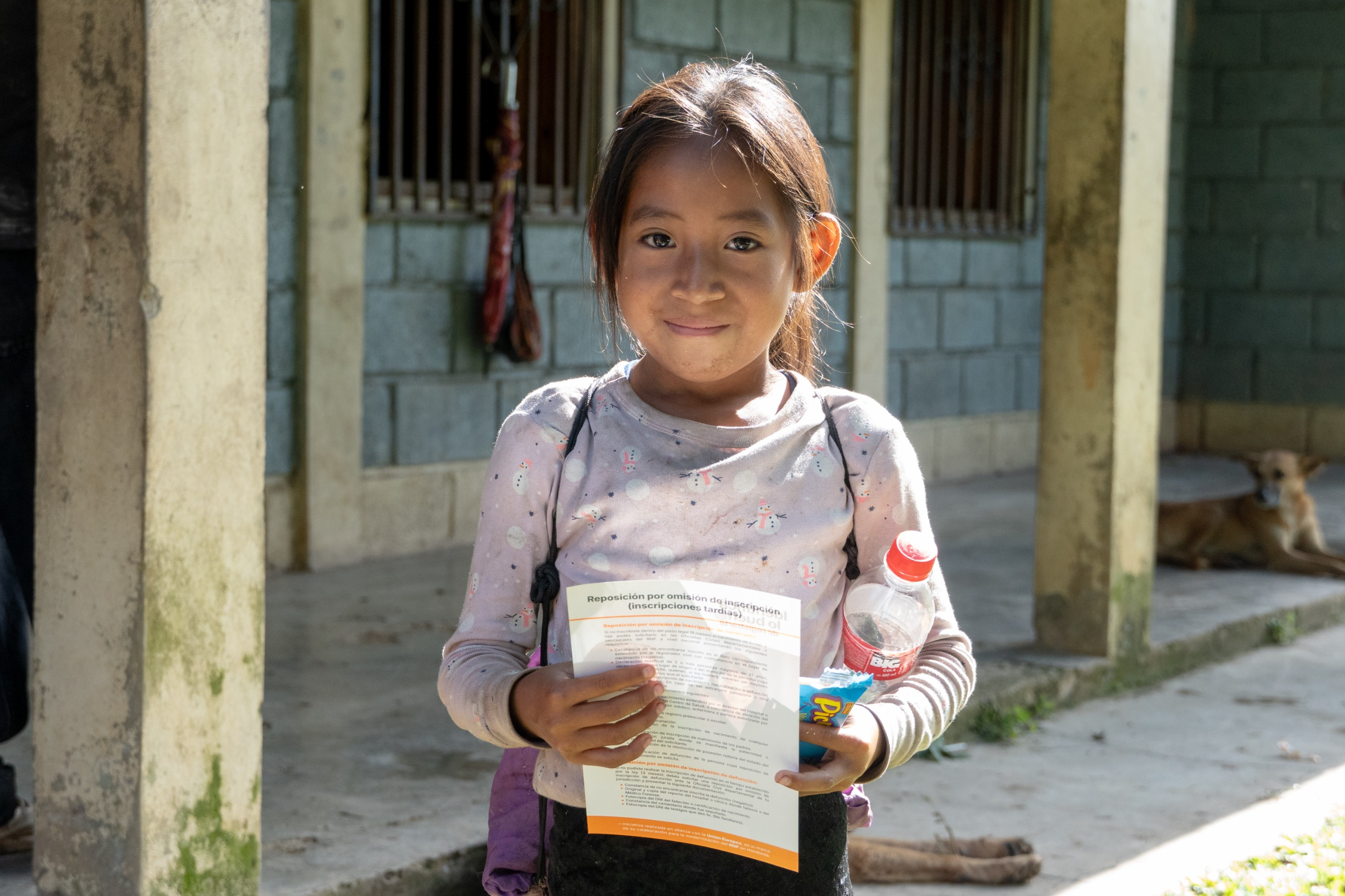
From this context, the idea arose: a concrete action in which “all” of us would collaborate, a service that we knew the civil registries that make up CLARCIEV perform regularly: mobile brigades or field services. Only this time, the proposal was to do it together, to all go out during a previously defined period to provide our services, with a special focus on hard-to-reach places and rural areas, where the population with the greatest difficulties in accessing our services is concentrated, all while avoiding the need for additional resources.
Eleven countries joined the campaign: Chile, Brazil, Panama, Honduras, Peru, El Salvador, Mexico, Colombia, Bolivia, Ecuador, and the Dominican Republic. Eleven field service teams worked with great enthusiasm, dedication, and commitment.
We also had the support of international organizations: UNHCR, OAS, UNICEF.
Thanks to this important action, we can highlight the work carried out by the National Registry of Persons (RNP) of Honduras, whose team reached Montaña de la Cruz, home to the Tolupanes tribes of San Juan and La Ceiba in Orica, Francisco Morazán.
We concluded with a total of 32,177 birth registrations.
This is only the beginning: today we are helping to make history, and together we will continue building a Latin America and the Caribbean where no one is left behind, a region with identity for all.
The Latin American and Caribbean Council for Civil Registration, Identity, and Vital Statistics (CLARCIEV)
"Semana de los Registros Civiles de Latinoamérica y el Caribe": Una Iniciativa por la identidad para todas y todos
El Consejo Latinoamericano y del Caribe de Registro Civil, Identidad y Estadísticas Vitales (CLARCIEV) es el organismo detrás de la campaña: “Semana de los Registros Civiles de América Latina y el Caribe”, llevada a cabo del 1° al 16 de septiembre de 2025 y que estuvo orientada a garantizar el derecho fundamental a la identidad.
Bajo el lema “Latinoamérica y el Caribe, una región sin invisibles: ¡identidad para todos y todas!”, el CLARCIEV intensificó los esfuerzos para el registro de las inscripciones de nacimientos, tanto de niños y niñas como de personas adultas que no contaban con su partida. La ausencia de un registro de nacimiento marca el inicio de una vida de exclusión, negando el acceso a derechos básicos y afectando el desarrollo integral, especialmente de la niñez. Las instituciones de registro civil de la región redoblaron sus servicios en terreno, enfocándose en zonas rurales, apartadas o de difícil acceso, donde se concentran los mayores índices de subregistro de nacimientos.
La decisión de realizar esta campaña fue tomada por el Comité Ejecutivo del CLARCIEV durante su reunión en Lima, Perú, los días 12 y 13 de junio de 2025.
Esta iniciativa busca cumplir, entre otros objetivos, uno de los compromisos adquiridos por el CLARCIEV en el marco del Foro Mundial sobre los Refugiados 2023 y la Alianza Global para Acabar con la Apatridia, lanzada por ACNUR el año pasado. El subregistro de nacimiento es un tema central para los registros civiles, nuestro compromiso por disminuir sus cifras ha permanecido siempre, tal es así que el primer compromiso declarado por el CLARCIEV, con la Alianza Global, es la disminución del subregistro.
Entonces surgió la idea: una acción concreta en la que colaborásemos “todos”, un servicio que sabíamos que los registros civiles que conforman el CLARCIEV, hacen regularmente; las brigadas móviles o atenciones en terreno, solo que esta vez la propuesta fue hacerlas juntos, salir todos en un período previamente definido a brindar nuestras atenciones. Con un especial enfoque en lugares de difícil acceso, zonas rurales, donde se concentra la población con mayores dificultades de acceso a nuestros servicios, eso sí, sin involucrar recursos adicionales.
A la campaña se sumaron 11 países: Chile, Brasil, Panamá, Honduras, Perú, El Salvador, México, Colombia, Bolivia, Ecuador y República Dominicana. 11 equipos de atención en terreno, que trabajaron con gran entusiasmo, dedicación y compromiso.
Contamos con el apoyo de organismos internacionales: ACNUR, OEA, UNICEF.
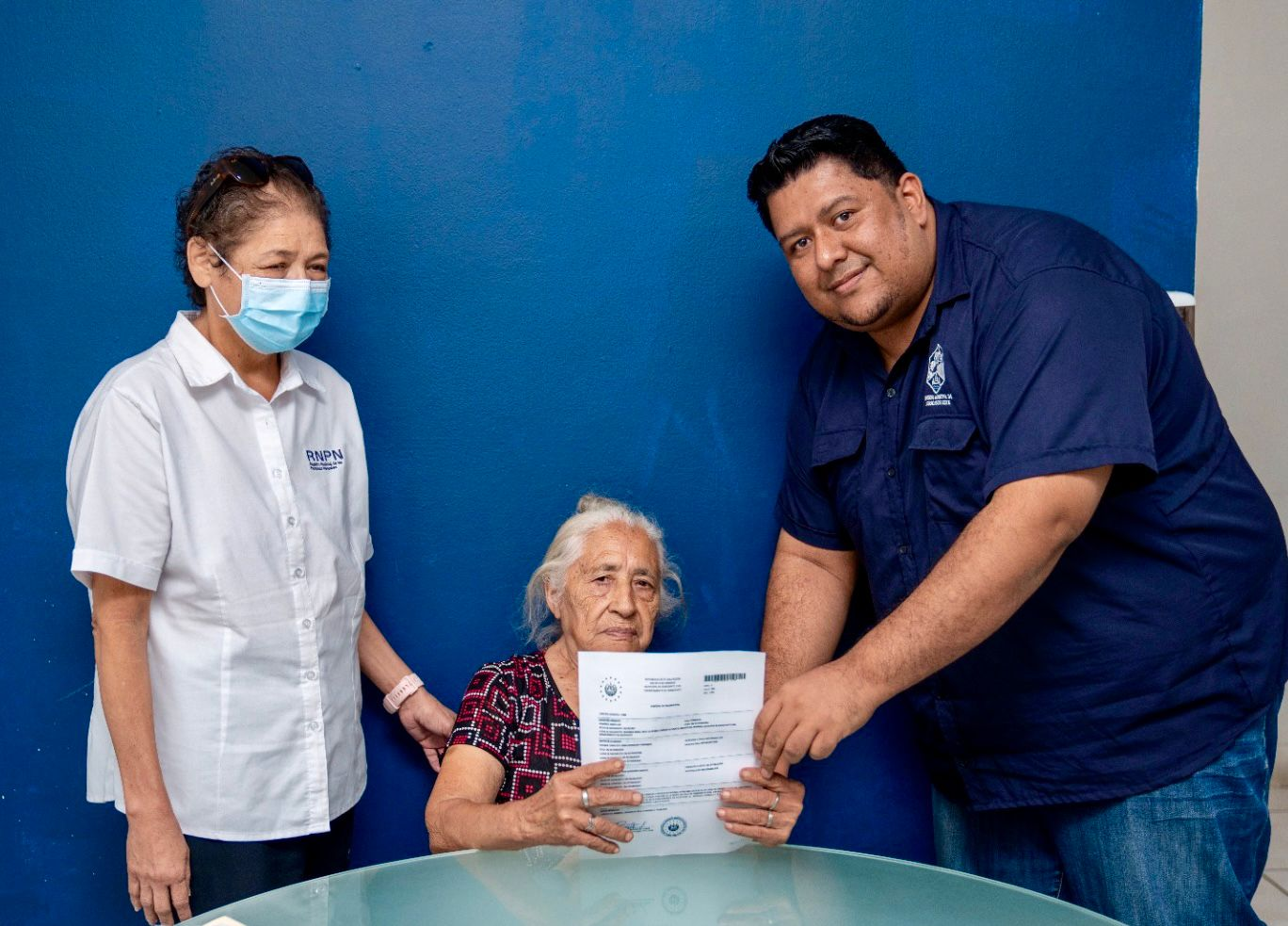
Gracias a esta importante acción, podemos destacar las atenciones realizadas por el Registro Nacional de Personas (RNP), de Honduras, su equipo llegó hasta la Montaña de la Cruz, que sirve de hogar a las tribus Tolupanes de San Juan y La Ceiba en Orica, Francisco Morazán.
Cerramos con un total de 32.177 inscripciones de nacimiento.
Este es solo el comienzo: hoy sembramos historia, juntos seguiremos construyendo una Latinoamérica y el Caribe donde nadie quede fuera, una región con identidad para todos y todas.
Consejo Latinoamericano y del Caribe de Registro Civil, Identidad y Estadísticas Vitales (CLARCIEV)
4 June 2026
Reducing statelessness in Kazakhstan: joint efforts of the government and civil society
As part of efforts to reduce the number of stateless persons in Kazakhstan, the Kazakhstan International Bureau for Human Rights and the Rule of Law (KIBHR), in collaboration with the Ministry of Internal Affairs, conducted a joint campaign to identify and document stateless persons in late 2025. During the 2025 campaign, lawyers, together with migration service officials, identified 380 stateless persons. In the same period, 153 people were supported by KIBHR lawyers to confirm or acquire citizenship.
Read more21 April 2026
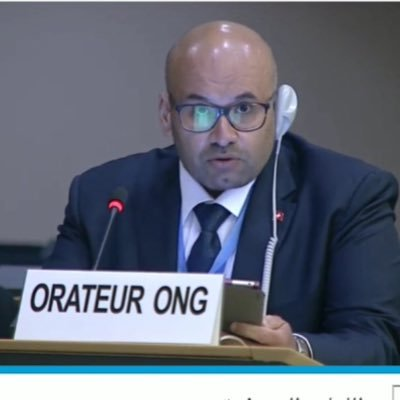
Strategic Advocacy for the Right to Nationality through the UN Human Rights Council’s Universal Periodic Review (UPR)
At the International Center for Supporting Rights and Freedoms (ICSRF), we consider the right to nationality one of the most fundamental human rights, no less important than the right to life. Based on this principle, and since joining the Global Alliance to End Statelessness, ICSRF has worked to ensure that statelessness risks are consistently taken into account within international human rights mechanisms, particularly the Universal Periodic Review (UPR).
Read more9 April 2026
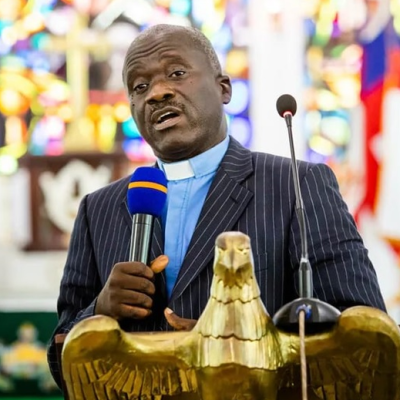
Churches Have a Responsibility to Act Against Statelessness
Churches and faith-based organizations have a moral responsibility and an important role to play in preventing and reducing statelessness. Drawing on their moral voice, community presence, and long-standing commitment to social justice, churches are well placed to support practical actions that protect vulnerable people and help ensure every person has a nationality.
In Liberia, Church Aid, Inc., together with its partners, has demonstrated this potential in practice. Through community-based initiatives to support birth registration, more than 20,000 children were able to obtain birth certificates, reducing their risk of statelessness and exclusion.
For many churches, engagement on statelessness is grounded in scripture and faith. The Bible reminds us not to oppress the foreigner, because we ourselves know what it means to be vulnerable. It calls believers to show hospitality to strangers and to stand up for those who cannot defend themselves. When people are hurting, the church has a responsibility to bring relief. A Christianity that ignores injustice and suffering does not reflect the character or mission of Christ.
Stateless persons are no exception.
Read more