Reducing statelessness in Kazakhstan: joint efforts of the government and civil society
As part of efforts to reduce the number of stateless persons in Kazakhstan, the Kazakhstan International Bureau for Human Rights and the Rule of Law (KIBHR), in collaboration with the Ministry of Internal Affairs, conducted a joint campaign to identify and document stateless persons in late 2025. These campaigns have become annual events and a key pillar of cooperation between civil society and the Migration Service Committee, as the government continues to demonstrate commitment to reducing statelessness.
As part of the campaign, NGO lawyers and migration service officials conducted on-site visits to remote areas and held receptions in major cities across Kazakhstan. This collaboration ensures that even the most marginalized individuals can access legal assistance and obtain documentation.
During the 2025 campaign, lawyers, together with migration service officials, identified 380 stateless persons. In the same period, 153 people were supported by KIBHR lawyers to confirm or acquire citizenship.
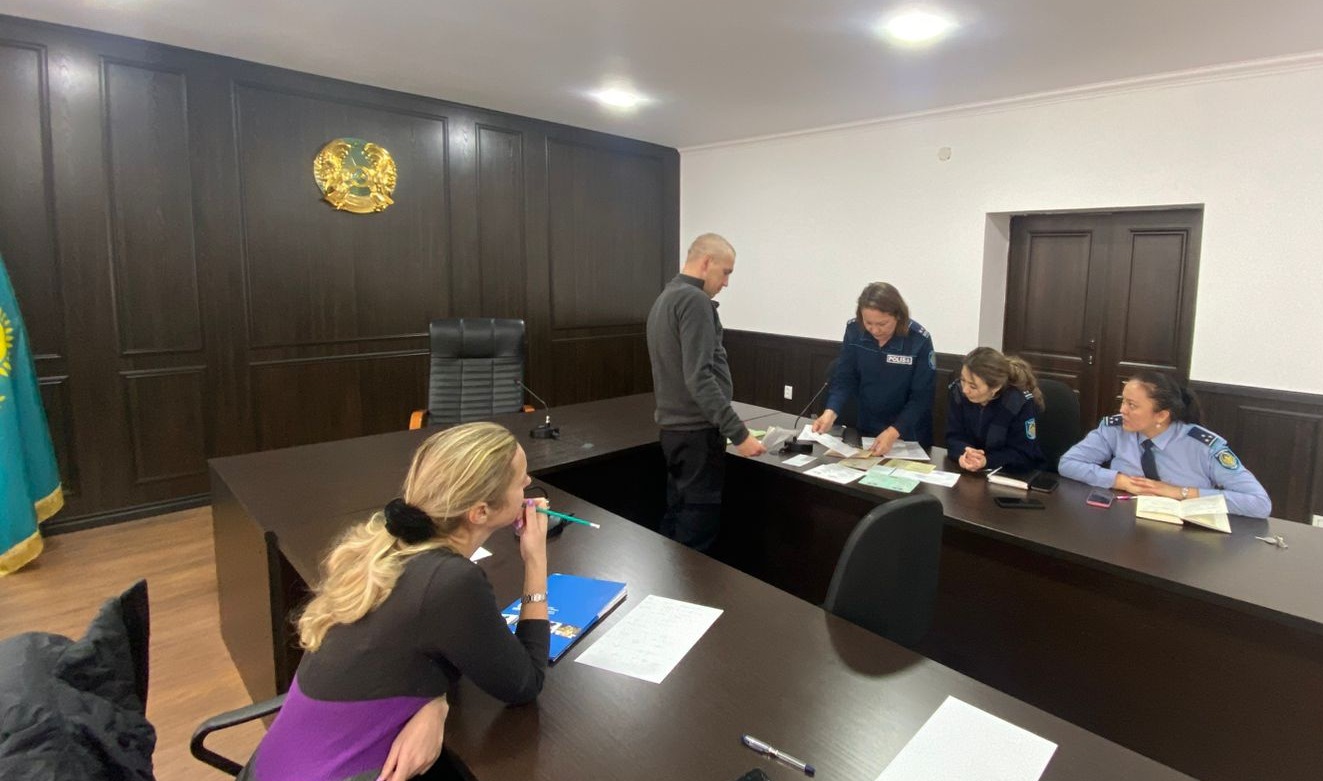
Behind these figures are personal stories that illustrate both the challenges of statelessness and the impact of coordinated action.
For years, Nigara Bakiyeva lived without identity documents, like her mother before her. Born in Kazakhstan but never registered, she had to leave school early and struggled to access healthcare. When she became a mother herself, the risk of passing statelessness to a third generation became real. After learning about free legal assistance provided through the Bureau for Human Rights (KIBHR), she decided to try again despite years of failed attempts by her family. Within months, she received her first identity documents, followed by birth certificates for her children – marking a turning point for the entire family.
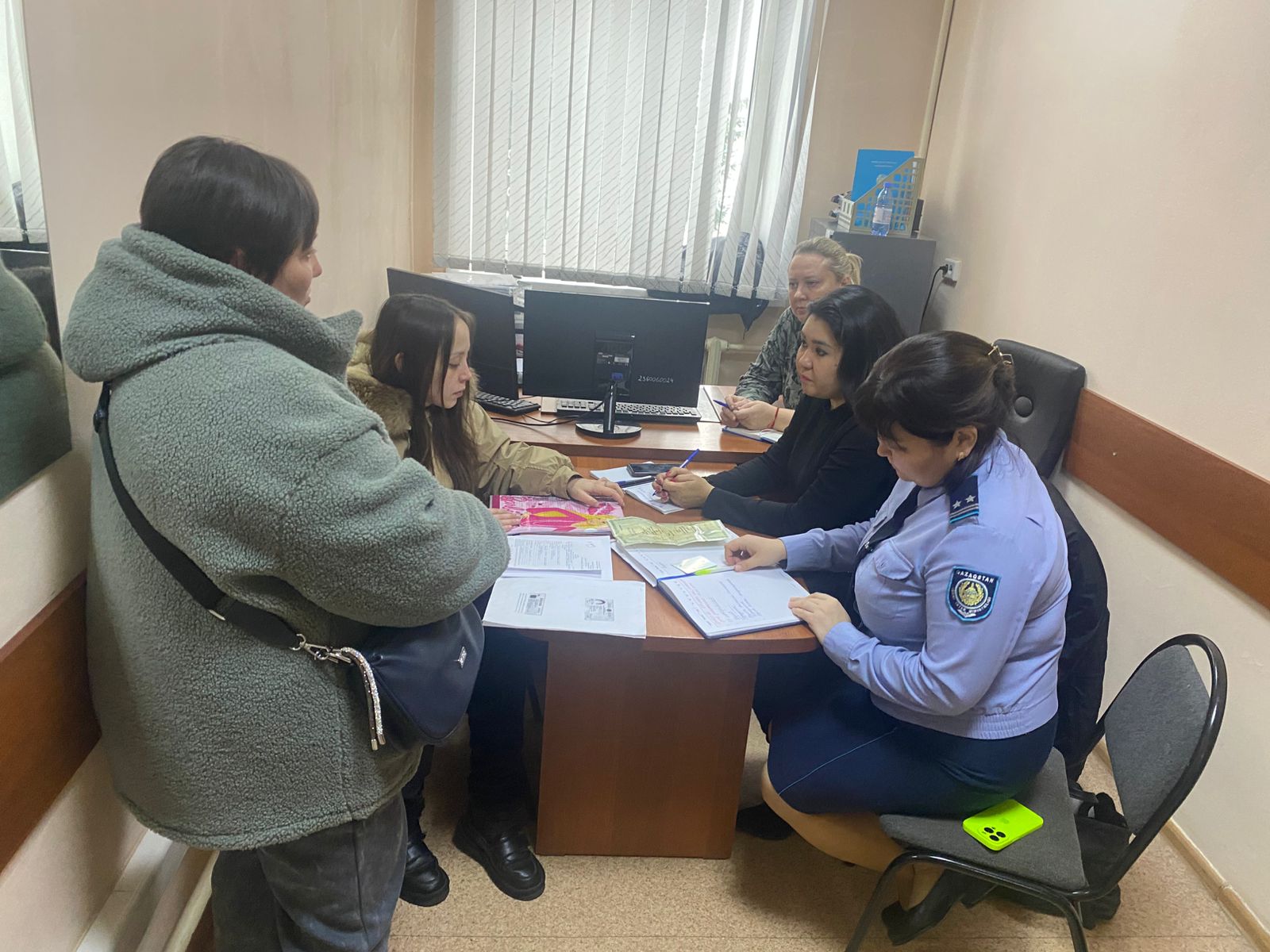
Another case is that of Alexander Sokolov, who spent more than 30 years without documents due to gaps in administrative procedures after the collapse of the Soviet Union. Despite repeated attempts across different regions, he was unable to regularize his status. Only after contacting the Bureau for Human Rights (KIBHR) did his situation change. Within a few months, he obtained a Kazakhstan ID card. Today, he is working, supporting his family, and able to live without the constant risk and exclusion that come with lacking legal identity.
These cases highlight not only the life-changing impact of legal assistance but also the importance of building systems that can prevent and resolve statelessness more effectively in the future.
The Bureau’s lawyers began teaching a course on statelessness at the Institute of the Ministry of Internal Affairs, where migration police officers are trained. The course equips future officers with practical knowledge and international standards for working with stateless persons, strengthening institutional responses. The course will be offered annually to the institute’s students and faculty.
Also in March 2026, the President of Kazakhstan announced an administrative amnesty in the country, a long-demanded measure by human rights activists. This amnesty will help many stateless persons come forward without fear of fines, which have historically acted as a barrier to obtaining documents.
While significant progress has been made, statelessness persists in some communities, often affecting families across generations. Continued cooperation between government bodies and civil society remains essential to ensure that no one is left behind. For people like Nigara and Alexander, these efforts are not just about paperwork – they are about restoring rights, dignity, and a sense of belonging.
Author: Denis Dzhivaga, Director, Kazakhstan International Bureau for Human Rights and Rule of Law (KIBHR)
21 April 2026
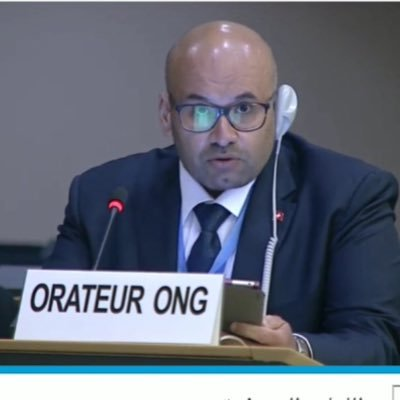
Strategic Advocacy for the Right to Nationality through the UN Human Rights Council’s Universal Periodic Review (UPR)
At the International Center for Supporting Rights and Freedoms (ICSRF), we consider the right to nationality one of the most fundamental human rights, no less important than the right to life. Based on this principle, and since joining the Global Alliance to End Statelessness, ICSRF has worked to ensure that statelessness risks are consistently taken into account within international human rights mechanisms, particularly the Universal Periodic Review (UPR).
Read more9 April 2026
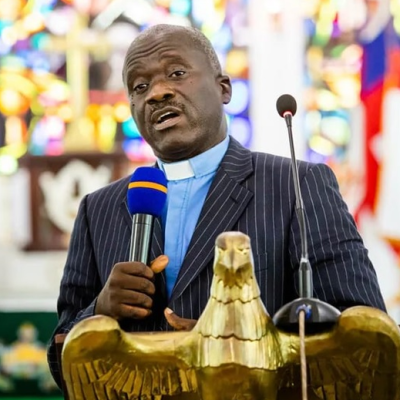
Churches Have a Responsibility to Act Against Statelessness
Churches and faith-based organizations have a moral responsibility and an important role to play in preventing and reducing statelessness. Drawing on their moral voice, community presence, and long-standing commitment to social justice, churches are well placed to support practical actions that protect vulnerable people and help ensure every person has a nationality.
In Liberia, Church Aid, Inc., together with its partners, has demonstrated this potential in practice. Through community-based initiatives to support birth registration, more than 20,000 children were able to obtain birth certificates, reducing their risk of statelessness and exclusion.
For many churches, engagement on statelessness is grounded in scripture and faith. The Bible reminds us not to oppress the foreigner, because we ourselves know what it means to be vulnerable. It calls believers to show hospitality to strangers and to stand up for those who cannot defend themselves. When people are hurting, the church has a responsibility to bring relief. A Christianity that ignores injustice and suffering does not reflect the character or mission of Christ.
Stateless persons are no exception.
Read more5 December 2025
Latin American and Caribbean Civil Registration Week: An Initiative Ensuring Identity for All
The Latin American and Caribbean Council for Civil Registration, Identity, and Vital Statistics (CLARCIEV) is the organization behind the campaign “Latin American and Caribbean Civil Registration Week,” held from September 1 to 16, 2025, and which sought to safeguard the fundamental right to identity.
Under the slogan “Latin America and the Caribbean, a region without invisible people: identity for all!”, CLARCIEV intensified its efforts to register births, covering both children and adults who still lacked a birth certificate. As a result of the campaign a total of 32,177 birth registrations were performed.
Read more